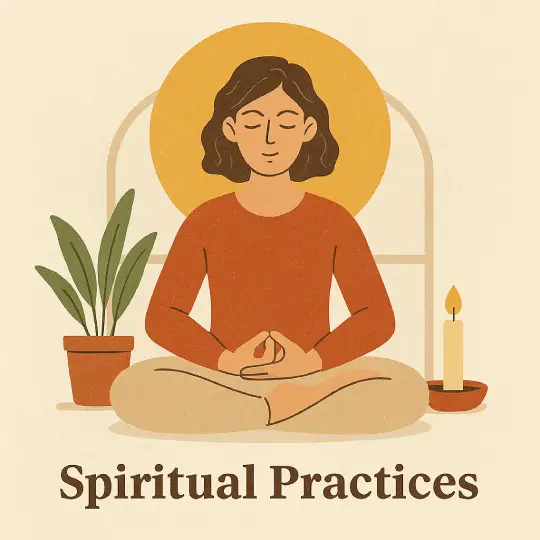
I had flirted with meditation for years—downloading apps, bookmarking articles, lighting the occasional candle—yet consistency eluded me. In June I finally committed to thirty consecutive days. No heroic retreats, no hours in lotus, just twenty minutes each morning with a timer, a cushion, and a rule: show up whether I felt like it or not.
Day one was noisy. Not the room—my mind. Grocery lists, awkward conversations from three years ago, random songs looping at full volume. Every two breaths I’d notice I was gone and gently drag myself back. The win that day was not peace; it was returning to the breath without self-scolding. By day four, the ceremony of it—boiling water, pouring tea, straightening the cushion—felt like an off-ramp from hurry. I stopped checking my phone in bed because it made the sits harder.
Around the second week something subtle shifted. I caught myself pausing before replying to emails that would usually trigger defensiveness. The pause didn’t neuter my honesty; it clarified it. I slept more deeply and woke with less dread. My partner commented that I seemed “roomier,” as if there was more space around my edges. That was the word I kept returning to in my journal: space. The same responsibilities fit more easily.
Not every sit was pretty. Day thirteen I spent glaring at the timer, bargaining with seconds. Day eighteen, my knee ached and my thoughts sprinted; I ended early and felt like I’d failed. My teacher’s advice helped: treat the practice like brushing your teeth—some brushes feel minty, some rushed, but you still do it. The merit accrues.
By day twenty-two, a deeper pattern emerged: I reacted less. The gap between stimulus and response stretched just wide enough to invite a wiser choice. I noticed cravings—sugar, doom-scrolling, the urge to “win” arguments—without fusing to them. They passed like weather. When anxiety arrived, I placed a palm on my chest and breathed into the sensation. Instead of narrating catastrophe, I felt the body. The wave crested and fell.
Practical tweaks mattered. I sat before coffee. I kept the phone in another room. I used the same playlist of soft brown noise so the ritual carried me. I swapped “clear the mind” for “be with what is,” which turned out to be everything. On difficult mornings, I shrank the session to ten minutes but still honored the appointment.
The biggest surprise? Creativity. With less internal static, ideas surfaced quietly during or after practice: an article outline solved itself; a tricky client proposal found the right tone. It wasn’t magic, just bandwidth. Meditation didn’t make life frictionless; it made me more skillful at meeting friction.
On day thirty I didn’t levitate. I did, however, recognize a new baseline. I’m less yanked by mood, more available to people I love, and weirdly more productive with fewer spikes of adrenaline. I plan to keep going, not out of discipline alone, but because the twenty minutes pay dividends across the other twenty-three hours and forty minutes. If you’re considering your own streak, start small, attach it to an existing routine, and treat every return to the breath as success. The practice isn’t the calm; the practice is the returning—and the life that becomes possible because you do.
I Writes about rituals, mindfulness, and energy work that nurture the soul. My goal is to guide readers toward balance, clarity, and self-discovery.