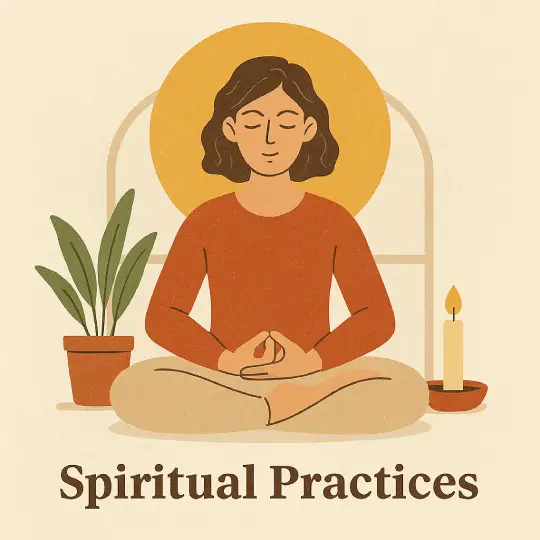
Meditation is one of the oldest spiritual practices in the world, yet in today’s fast-paced society, it feels more relevant than ever. Beginners often feel overwhelmed by the idea of “emptying the mind,” but meditation is less about shutting thoughts off and more about changing your relationship to them.
A beginner can start with just five minutes a day. Find a quiet space, sit comfortably, and focus on the breath. As thoughts arise—and they will—simply notice them and return to the breath. This act of noticing without judgment is the essence of mindfulness meditation.
Over time, daily practice creates lasting changes in brain function and stress response. Studies show improvements in concentration, emotional regulation, and even physical health. Meditation is also a gateway into deeper spiritual practice: many traditions see it as a path to awakening and self-realization.
Practical tips include: start small, set a consistent time each day, and use guided meditations if silence feels intimidating. Lighting a candle, using incense, or playing soft background music can help signal to the body that this is sacred time.
Challenges will come: restlessness, frustration, or doubt. These are not failures but part of the process. Each return to the breath strengthens awareness. Journaling after meditation also helps track progress and capture insights.
Ultimately, meditation is not about perfection but presence. Even on days when the mind feels chaotic, showing up is the practice. Over weeks and months, stillness gradually deepens, and the practitioner discovers a quiet strength within. This strength extends into everyday life—at work, in relationships, and in how one responds to challenges. That is the true gift of meditation: cultivating peace within so it radiates outward.
I Writes about rituals, mindfulness, and energy work that nurture the soul. My goal is to guide readers toward balance, clarity, and self-discovery.